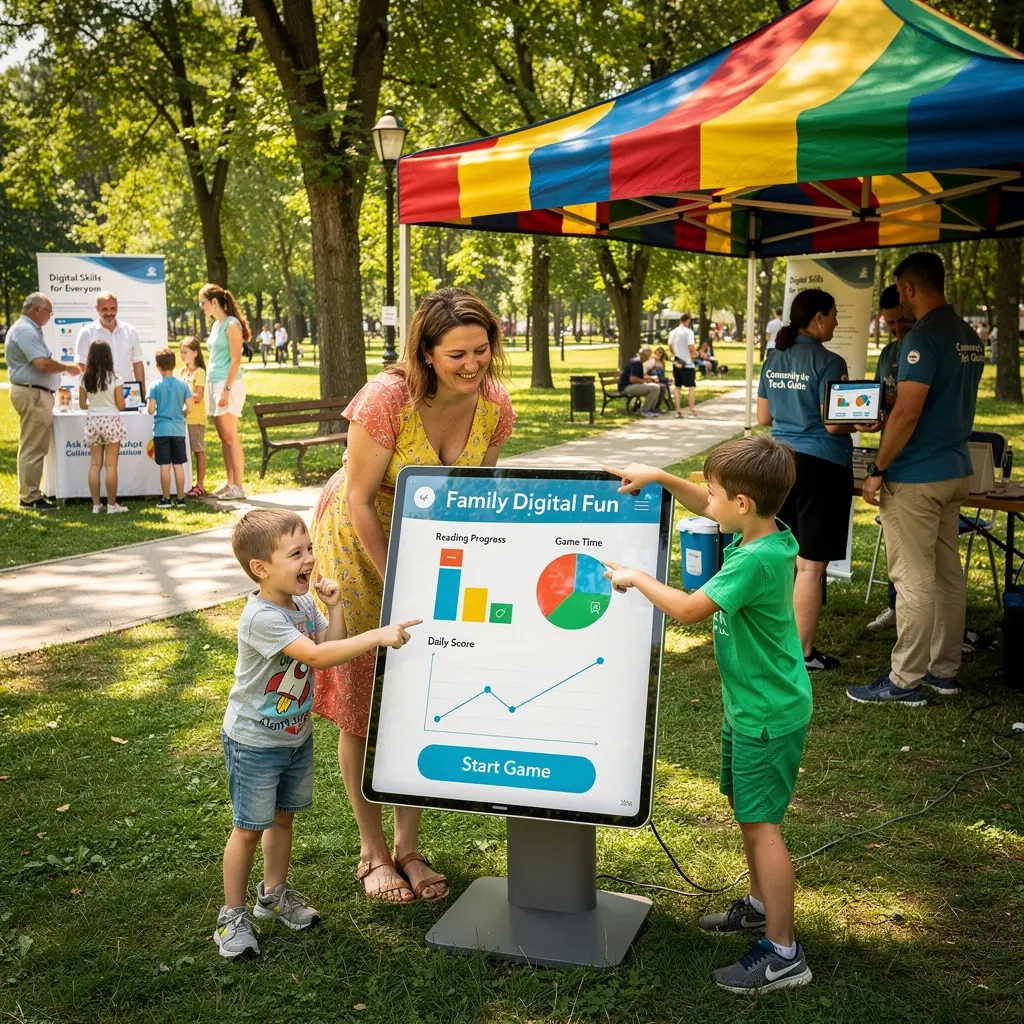
Educational Resources for Dashboard Literacy
In the digital age, understanding how to interpret digital dashboards is becoming increasingly important. These tools can simplify complex data, allowing users to make data-driven decisions. This article explores educational resources and practical insights to enhance dashboard literacy for everyday readers in Romania.
Understanding the Basics of Digital Dashboards
Digital dashboards serve as visual interfaces that consolidate data from multiple sources, presenting it in an accessible manner. According to industry experts, these dashboards can significantly enhance user engagement by making complex information more digestible. Research indicates that effective data presentation not only supports media literacy but also promotes transparency in data reporting.

"The ability to interpret digital dashboards is a crucial skill in today's data-driven world. It empowers individuals to engage with information critically."
Key Principles of Effective Dashboard Design
When creating or interpreting dashboards, several principles should guide users:
- Clarity: Dashboards should be designed with clear objectives in mind. Users must understand what data is presented and why it matters.
- Usability: Effective dashboards prioritize user experience, allowing individuals to interact with the data intuitively.
- Accessibility: Dashboards should be accessible to all users, including those with disabilities. This can involve adjustable text sizes and color contrasts.
Practical Application: Everyday Dashboard Examples
To improve your dashboard literacy, consider the following examples of user-friendly dashboards:
- Social Media Analytics: Many platforms provide dashboards that help users understand their audience engagement. By analyzing likes, shares, and comments, users can adjust their strategies effectively.
- Financial Dashboards: Applications like budgeting tools or personal finance trackers often come with visual representations of income and expenses, helping users manage their finances better.
- Health Monitoring Tools: Wearable devices often have dashboards that track physical activities and vital statistics, motivating users to lead healthier lifestyles.
Resources for Learning Dashboard Literacy
Several resources can aid in developing dashboard literacy:
- Online Courses: Platforms like Coursera and edX offer courses specifically focused on data visualization and dashboard design principles.
- Webinars and Workshops: Many organizations conduct interactive sessions that focus on hands-on experience with dashboard tools.
- Community Media Resources: Local organizations in Romania may offer educational content and discussions about digital media literacy and dashboard usability.
Conclusion
Improving your understanding of digital dashboards is an essential skill in our increasingly data-centric world. By utilizing educational resources and applying key design principles, you can enhance your ability to interpret data effectively. Remember, developing data interpretation skills takes time and practice, but it can significantly improve your engagement with public interest media and overall digital communication.