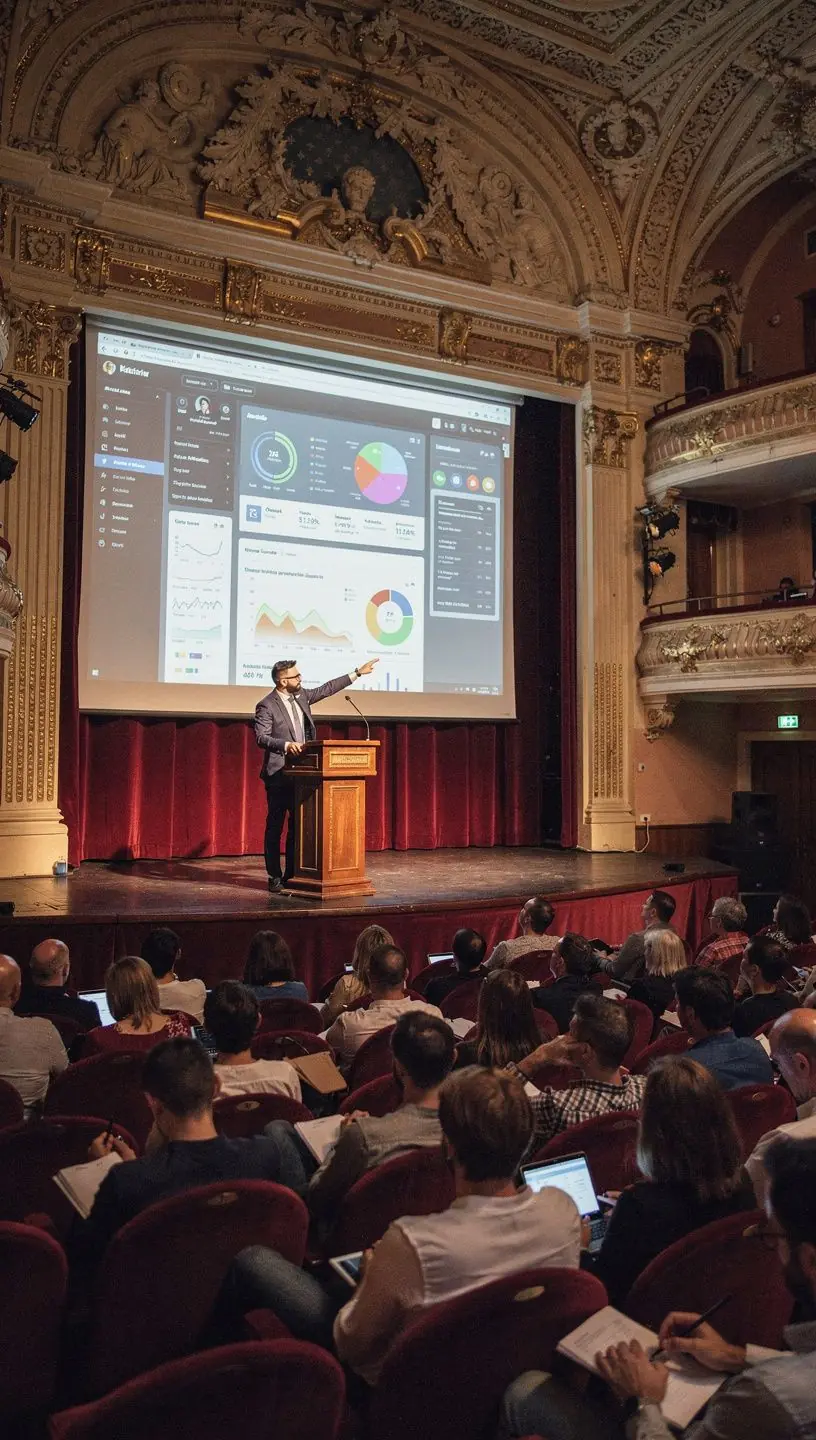
How Digital Data Can Enhance Public Engagement
In today's digital age, the ability to interpret data effectively has become crucial for fostering public engagement. Digital dashboards serve as valuable tools that can transform complex data into accessible insights for the community. This article explores how understanding these dashboards can enhance public interest media in Romania.
Understanding Digital Dashboards
Digital dashboards are visual representations of data that consolidate information from various sources into a single interface. They allow users to monitor key indicators and trends at a glance. According to research, user-friendly dashboards can significantly improve engagement by making information more accessible. While many users may feel overwhelmed by data, effective dashboard design principles can simplify complex data visualization, facilitating better understanding.

"Effective data presentation transforms the way citizens interact with media, enabling informed decision-making."
Key Features of Effective Dashboards
To maximize public engagement, dashboards should incorporate several crucial features:
- Clear Layout: A well-structured dashboard layout enhances usability, helping users navigate easily.
- Interactive Elements: Interactive dashboards allow users to explore data in real-time, fostering deeper insights and engagement.
- Relevant Data: Presenting data that resonates with the community's interests and challenges encourages more interaction.
Practical Examples of Dashboard Use in Public Media
In Romania, various public interest media outlets have successfully employed digital dashboards to enhance community engagement. For instance, local news organizations have utilized interactive dashboards to showcase media consumption trends, allowing citizens to view how different demographics engage with news content. By presenting data visually, these organizations foster transparency in reporting, which is essential in building trust among the public.
Improving Dashboard Literacy
While dashboards can be powerful tools for enhancing public engagement, users must develop data interpretation skills to utilize them effectively. Educational media blogs and community resources can play a vital role in promoting dashboard literacy. Experts suggest that workshops and online tutorials can help citizens become proficient in interpreting digital data, thus empowering them to engage more fully with public interest journalism.
Conclusion
Digital dashboards represent a significant opportunity to enhance public engagement in Romania. By focusing on dashboard usability, providing clear explanations, and encouraging data literacy, media organizations can foster a more informed citizenry. As we navigate an increasingly data-driven world, embracing these tools can lead to improved transparency and community collaboration, ultimately serving the public interest through informed media consumption.