Exploring Media Consumption Trends with Data
In today's digital landscape, understanding media consumption trends is crucial for both consumers and producers of public interest media. This article explores how data can be interpreted through digital dashboards, offering clear insights and practical examples to enhance media literacy among everyday readers in Romania.
Understanding Media Consumption Trends
Media consumption trends provide valuable insights into how audiences engage with content. According to research from the Romanian National Authority for Management and Regulation in Communications, digital media consumption has increased significantly, altering how information is disseminated and absorbed. This shift emphasizes the need for effective data visualization tools and user-friendly dashboards that can simplify complex data.

"Interpreting digital dashboards can significantly enhance user engagement and facilitate informed decision-making in media." - Media Analytics Expert
Interpreting Digital Dashboards
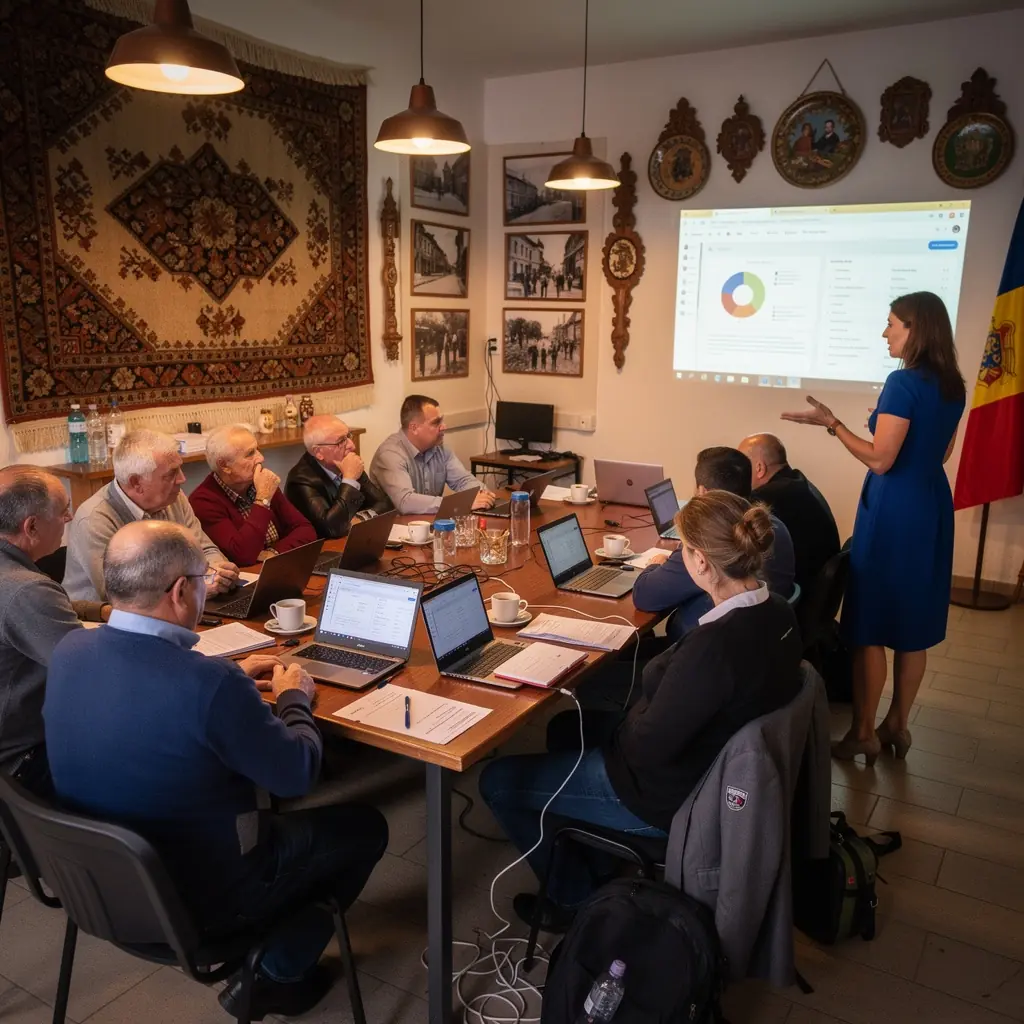
Digital dashboards serve as an essential tool for visualizing data trends. They allow users to quickly assess patterns and derive insights from various media metrics. Here are some key principles for interpreting these dashboards effectively:
- Focus on Clarity: Ensure that the dashboard design prioritizes clarity over complexity. This is fundamental for effective data presentation.
- Use of Colors and Graphics: A well-designed dashboard utilizes color coding and graphical elements to represent data meaningfully, helping users to interpret the information quickly.
- Interactive Features: Incorporating interactivity in dashboards can enhance user engagement, allowing individuals to explore data more thoroughly.
Educational Insights for Everyday Readers
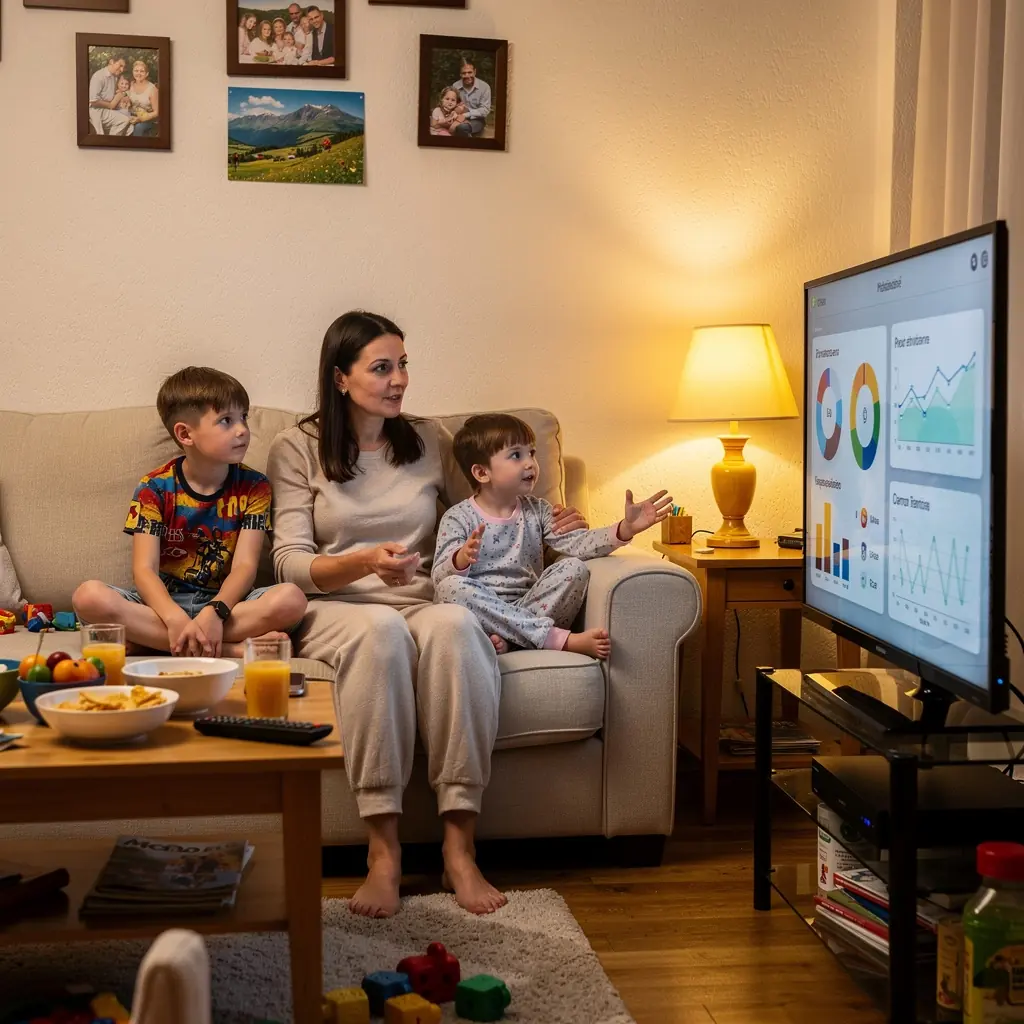
For readers in Romania, understanding how to navigate dashboards is vital for engaging with public interest media. Recent studies suggest that many users report difficulty in interpreting complex dashboards, highlighting the need for clear dashboard guides and educational resources.
Practical Examples
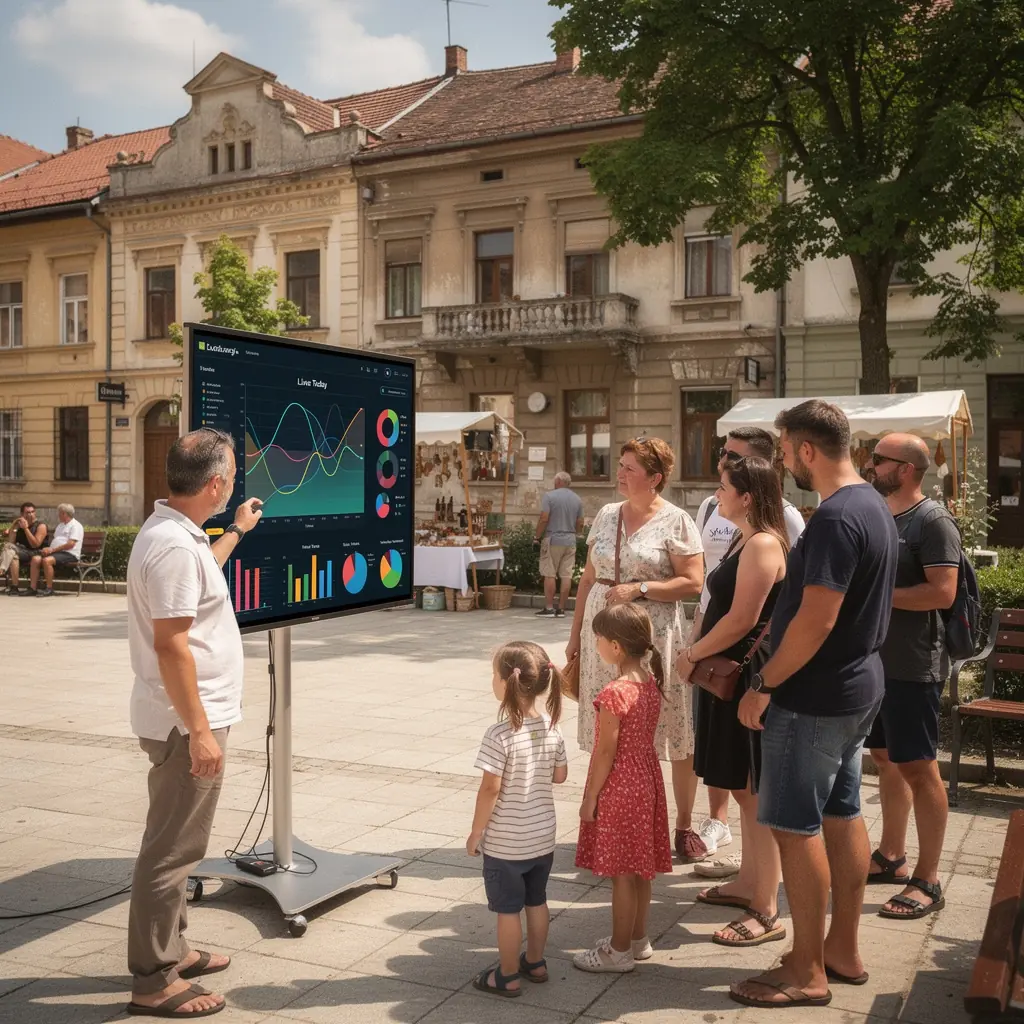
Consider a basic media consumption dashboard that tracks user engagement metrics over time. Users can see:
- Daily Views: The number of times content is accessed, indicating audience interest.
- Engagement Rate: Metrics like shares and comments provide insight into how content resonates with the audience.
- Average Time Spent: This metric reveals how compelling the content is, affecting overall user satisfaction.
By familiarizing themselves with these metrics, users can enhance their media interpretation skills, allowing for more informed consumption habits.
Conclusion
In conclusion, as media consumption trends continue to evolve, so too must our approach to understanding and utilizing data. Digital dashboards offer a powerful means of visualizing media metrics, but their effectiveness hinges on user literacy and design principles. By educating ourselves on interpreting these tools, we foster a more informed public, capable of engaging critically with media.
As we strive for transparency in data reporting and accessibility in media content, it is essential to uphold ethical media practices that promote public engagement. Through improved dashboard literacy and effective data presentation, we can support a more engaged and informed citizenry in Romania.